The Beginners Guide to Meditation
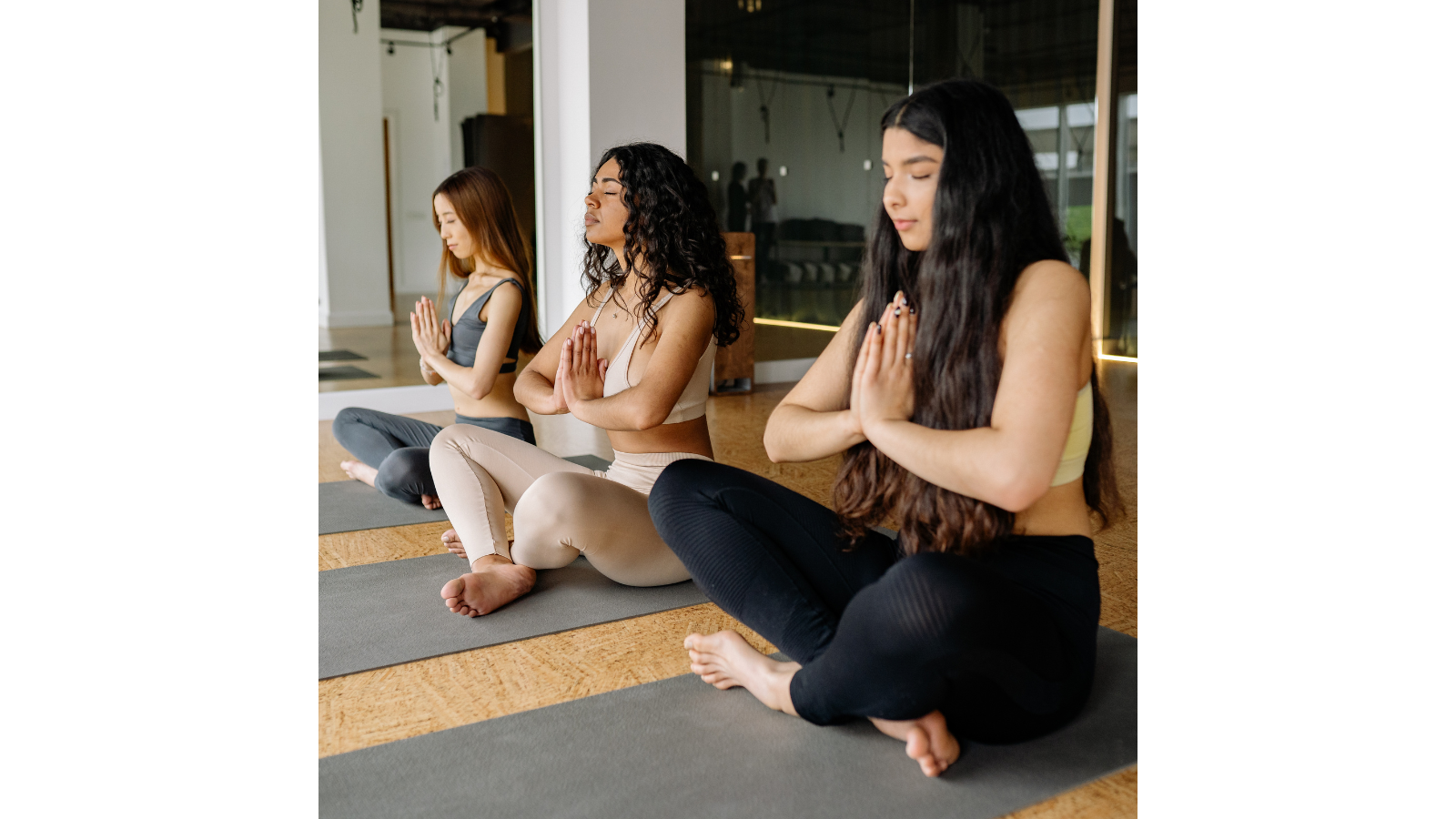
Om. ॐ
When I first started exploring meditation, I genuinely thought I was failing at it.
I had this very unrealistic idea of what meditation was supposed to look like. I pictured someone sitting perfectly still in silence, effortlessly calm, deeply connected to themselves, having some sort of spiritual breakthrough while soft music played in the background.
Meanwhile, I would sit down, close my eyes, take one deep breath… and immediately start thinking about my to-do list, a conversation from three years ago, what I forgot to respond to, random anxiety spirals, intrusive thoughts, and whether or not I was “doing it right.”
As someone with ADHD and anxiety, silence did not initially feel peaceful to me. It felt loud.
I would try so hard to force myself into having a “quiet mind” that I would end up feeling even more frustrated and overstimulated than before I started. The harder I tried to stop thinking, the more thoughts seemed to come flooding in. Eventually, I convinced myself that meditation just wasn’t for me.
And honestly, I think a lot of people give up right there.
What changed everything for me was realizing that meditation was never supposed to mean having zero thoughts. That expectation alone was setting me up to feel defeated every single time I tried.
I started using short guided meditation apps instead, usually only about five minutes long. Having someone guide me through the meditation gave my brain something to focus on instead of leaving me alone with a million racing thoughts and no direction.
More importantly, I stopped fighting my thoughts.
Instead of panicking every time my mind wandered, I started noticing the thought, acknowledging it, and gently redirecting myself back to the meditation. Over and over again. Some days it felt like I had to redirect myself every thirty seconds. But instead of viewing that as failure, I slowly started understanding that this was the practice.
Meditation is not about never losing focus. It is about practicing returning to yourself.
That repetition matters.
The more I practiced redirecting my attention, the more present I became over time. Eventually, the random thoughts started feeling less intense and less constant. I noticed myself becoming calmer outside of meditation too. More aware. More grounded. More capable of slowing down before immediately reacting to stress.
That is the beautiful thing about neuroplasticity. The brain adapts to what we repeatedly practice.
If you struggle with meditation, it makes sense. Especially if your brain is used to constant stimulation, anxiety, overthinking, or survival mode. Sitting still with yourself can feel deeply uncomfortable at first.
But uncomfortable does not mean you are doing it wrong.
Most of the time, it just means you are learning something new.
So if you are a beginner, give yourself grace. Start small. Start with five minutes. Use guided meditations. Let go of the pressure to “clear your mind” perfectly. Your thoughts are not proof that you are failing. They are proof that you are human.
Meditation is not about becoming someone with a perfect mind. It is about building a gentler relationship with the one you already have.
